
22 posts tagged with "Trace-Based Testing"

View All Tags

Understanding the Differences: Observability vs. Monitoring vs. APM vs. Profiling

· 4 min read
Dmitry Turmyshev
Product Manager | Developer Experience and Software Quality

TL;DR: Modern Observability is incomplete without Automated Verification. While APM and Monitoring tell you what is happening, BitDive uses runtime traces to create Trace Replay suites, closing the loop between seeing a performance issue and ensuring it never returns.


In today's cloud-native environments, maintaining optimal application performance requires multiple complementary approaches. While these tools share some features, they serve distinct purposes in modern performance management.
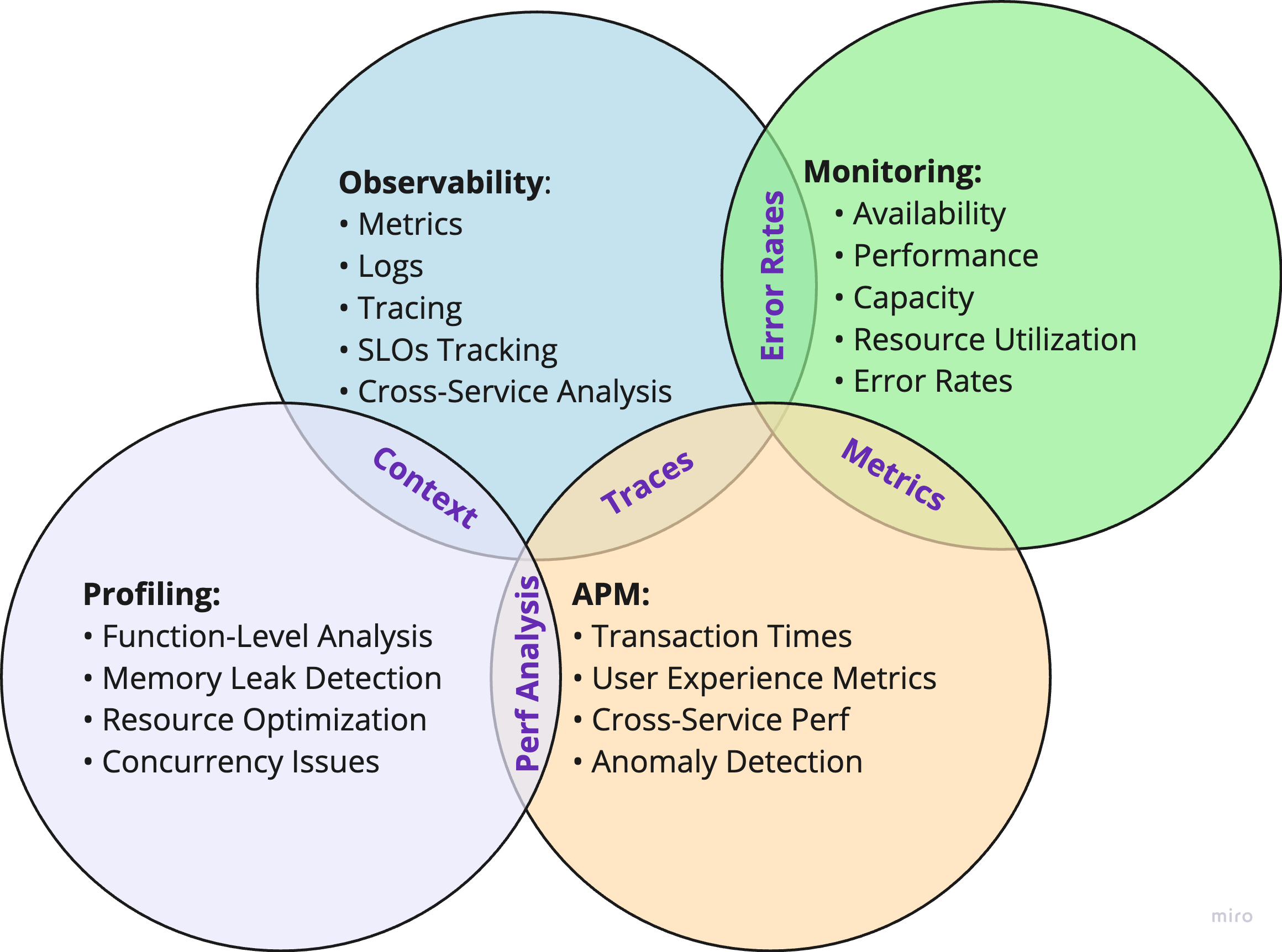
Venn diagram illustrating the relationships and overlaps between Observability, Monitoring, APM, and Profiling

Application Performance Management (APM)

APM's evolution reflects the changing landscape of application architecture. Originally designed for monolithic applications, modern APM tools now handle the complexities of distributed systems and microservices.
How can you measure software performance?

· 4 min read
Dmitry Turmyshev
Product Manager | Developer Experience and Software Quality

TL;DR: Metrics are just the baseline; Behavior is the goal. Measuring throughput and latency is essential, but in 2026, BitDive elevates this by monitoring Unexpected Behavior Changes. By comparing real-world execution traces against baseline replays, we ensure that performance gains don't come at the cost of correctness, providing the Real Runtime Data for your PRs.


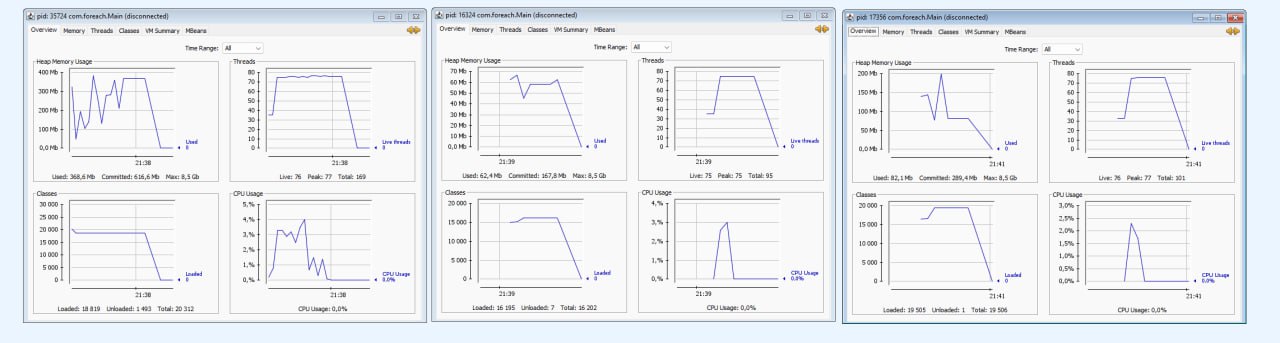
Software Performance Metrics - Analyzing throughput and latency for Java application optimization

Performance testing is crucial for software success, ensuring systems meet user expectations and business requirements. This guide explores core performance testing concepts and provides actionable strategies for effective implementation.