Quality Assurance in AI Assisted Software Development: Risks and Implications

· 13 min read
Dmitry Turmyshev
Product Manager | Developer Experience and Software Quality

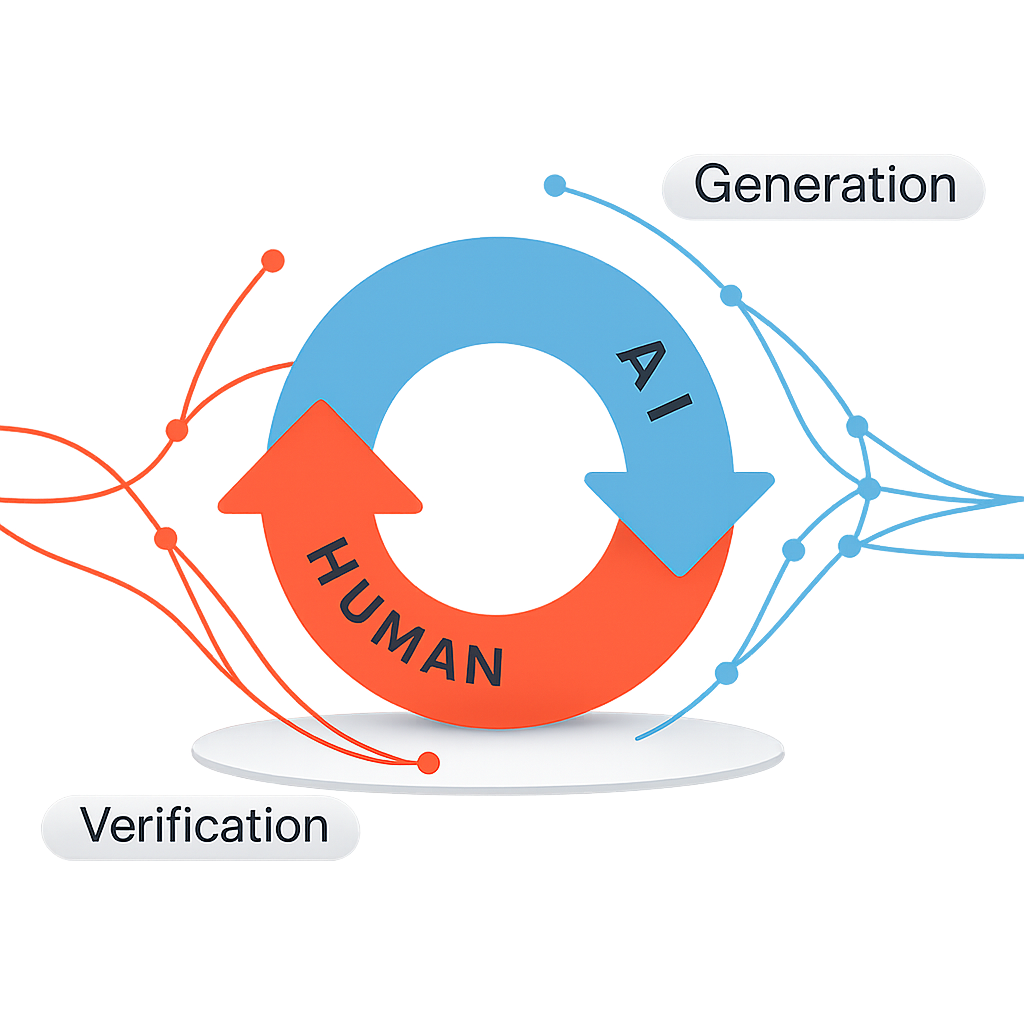
"We're now cooperating with AIs and usually they are doing the generation and we as humans are doing the verification. It is in our interest to make this loop go as fast as possible. So, we're getting a lot of work done."

— Andrej Karpathy: Software Is Changing (Again)

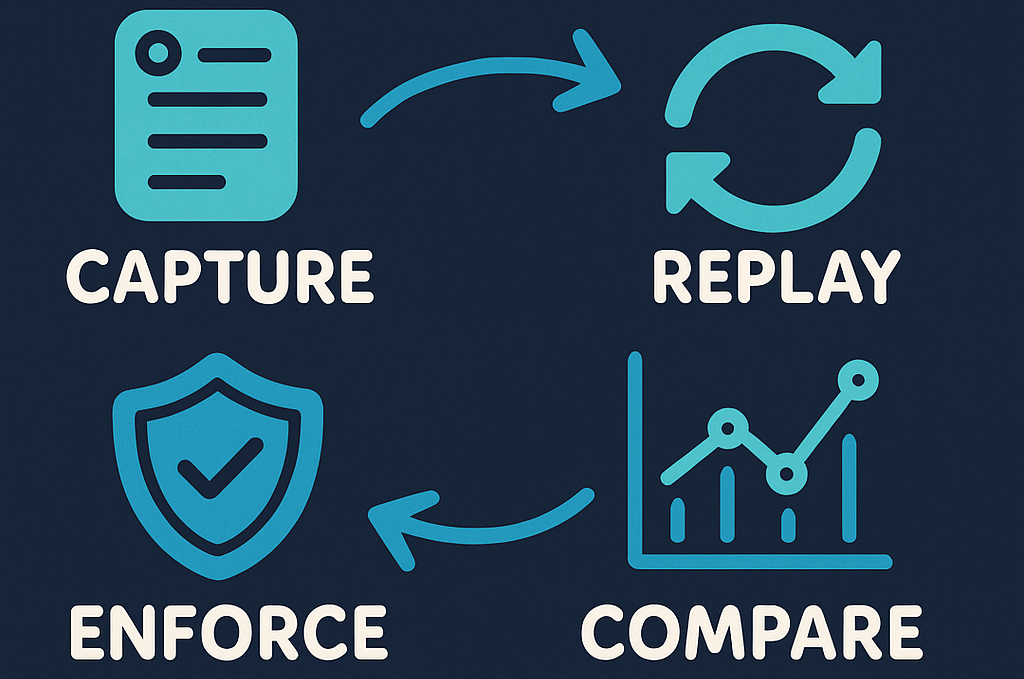
Verification Loop Diagram detailing the AI code generation and human verification process

This quote describes a shift that is already visible in many teams. Code generation has accelerated. Verification and validation increasingly become the bottleneck.

With AI tools, writing code is often not the limiting factor anymore. The hard part is proving that what was generated is correct, safe, and maintainable.

How to Create Unit Tests in Minutes and Without AI Slop

· 7 min read
Dmitry Turmyshev
Product Manager | Developer Experience and Software Quality

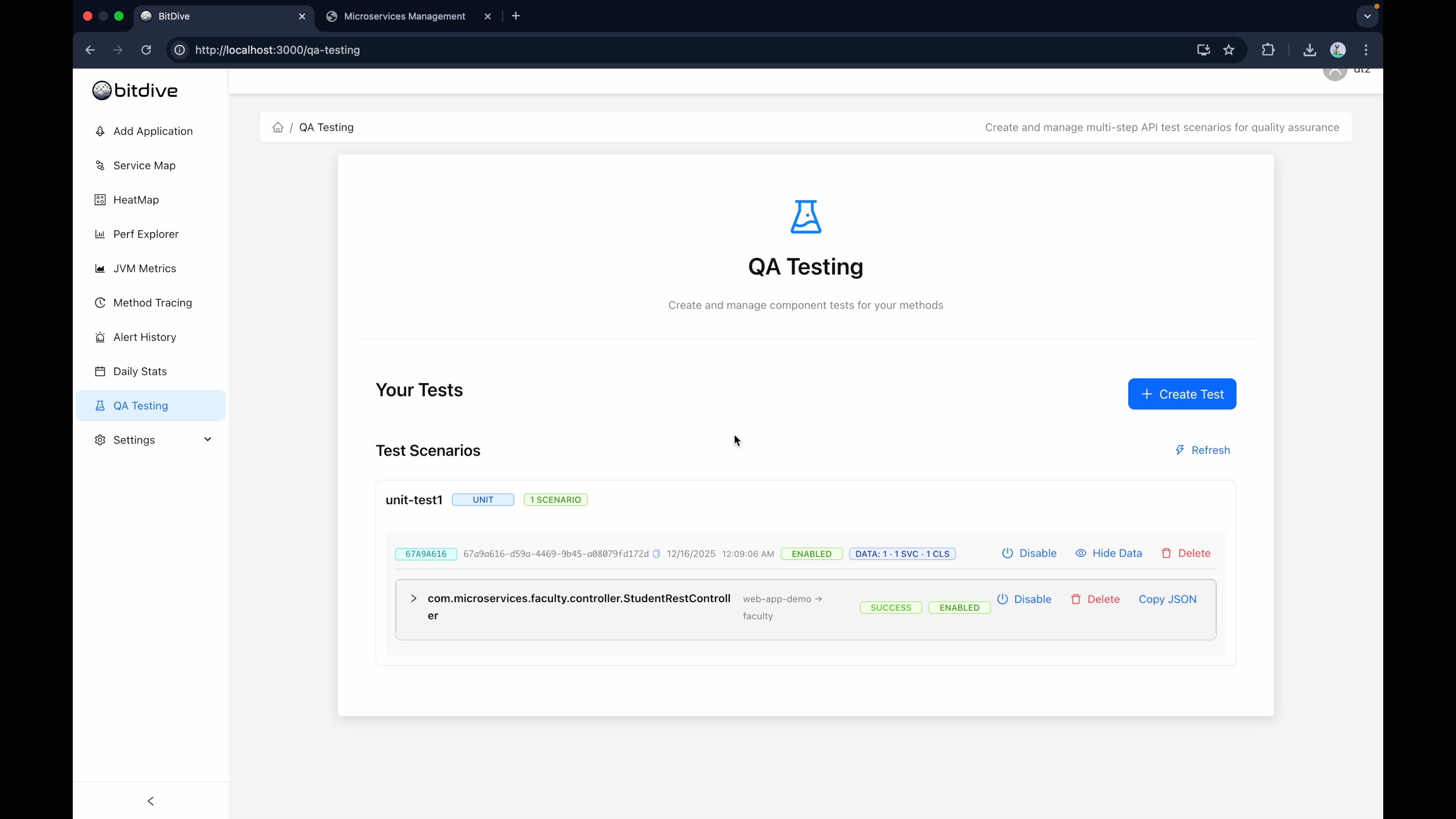
BitDive Unit Test Creation UI for automated regression testing

Writing unit tests is expensive. Not just in time, but in technical debt.

Every test you write is code you must maintain. When you refactor, you refactor twice: once for production code, once for test code. When dependencies change, you update mocks. When APIs evolve, you rewrite assertions.

What if there was a different way? What if your tests could be generated from reality itself?

Test to Code Ratio: Why 50%+ Test Code is the New Standard in 2026

· 7 min read
Evgenii Frolikov
Senior Java Engineer | Expert in Scalable Enterprise Solutions

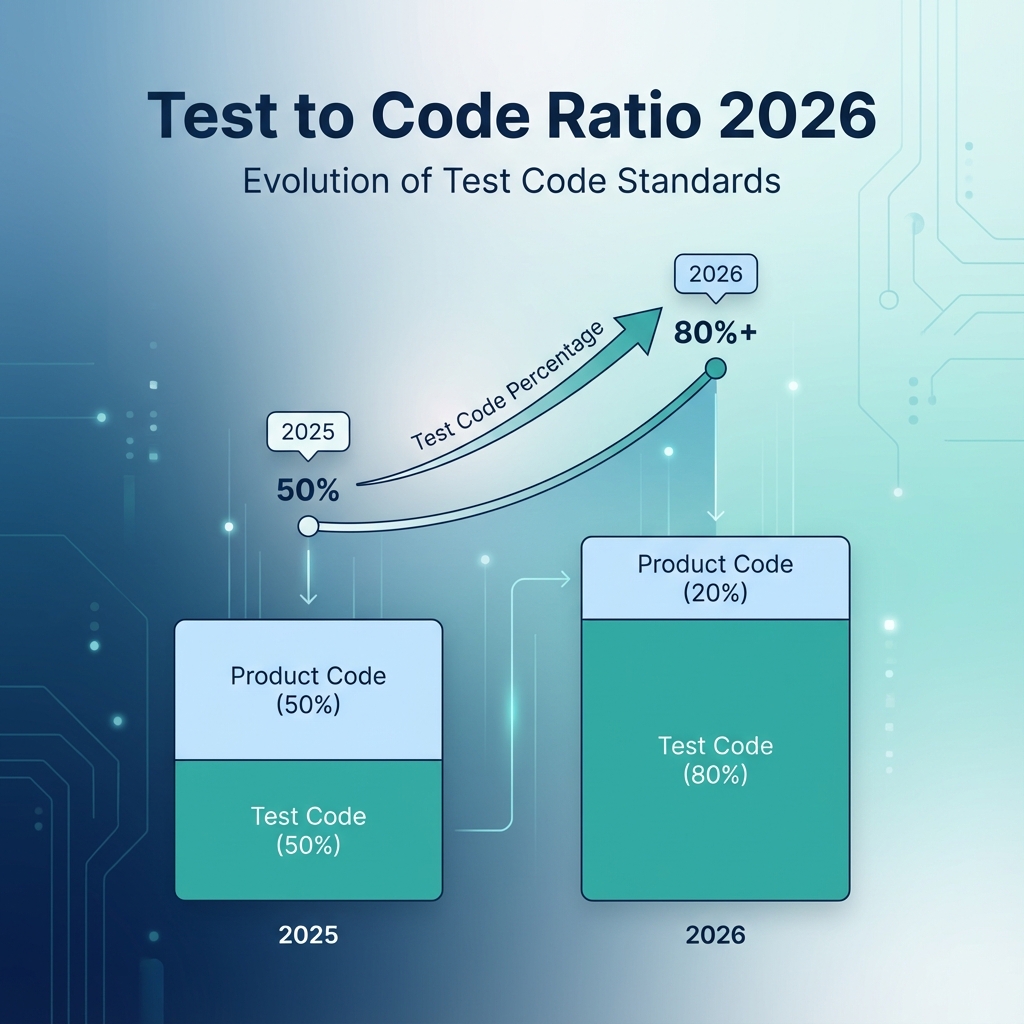
Test to code ratio evolution showing 50% test code as new standard in 2026 for software quality assurance

For decades, a "golden mantra" of product-to-test code ratio existed among engineers: 1:1. It was believed that if the volume of code a developer writes equals the volume of tests, the project is in good shape.

However, new scientific research and the rapid development of test automation tools (especially LLMs) in 2024–2025 show that this metric is outdated. Today, to ensure high quality in mature systems, test code must constitute 50% or more of the entire codebase.

BitDive 1.2.6: WebSocket Support, Daily Statistics, and On-Air Configuration

· 3 min read
Evgenii Frolikov
Senior Java Engineer | Expert in Scalable Enterprise Solutions

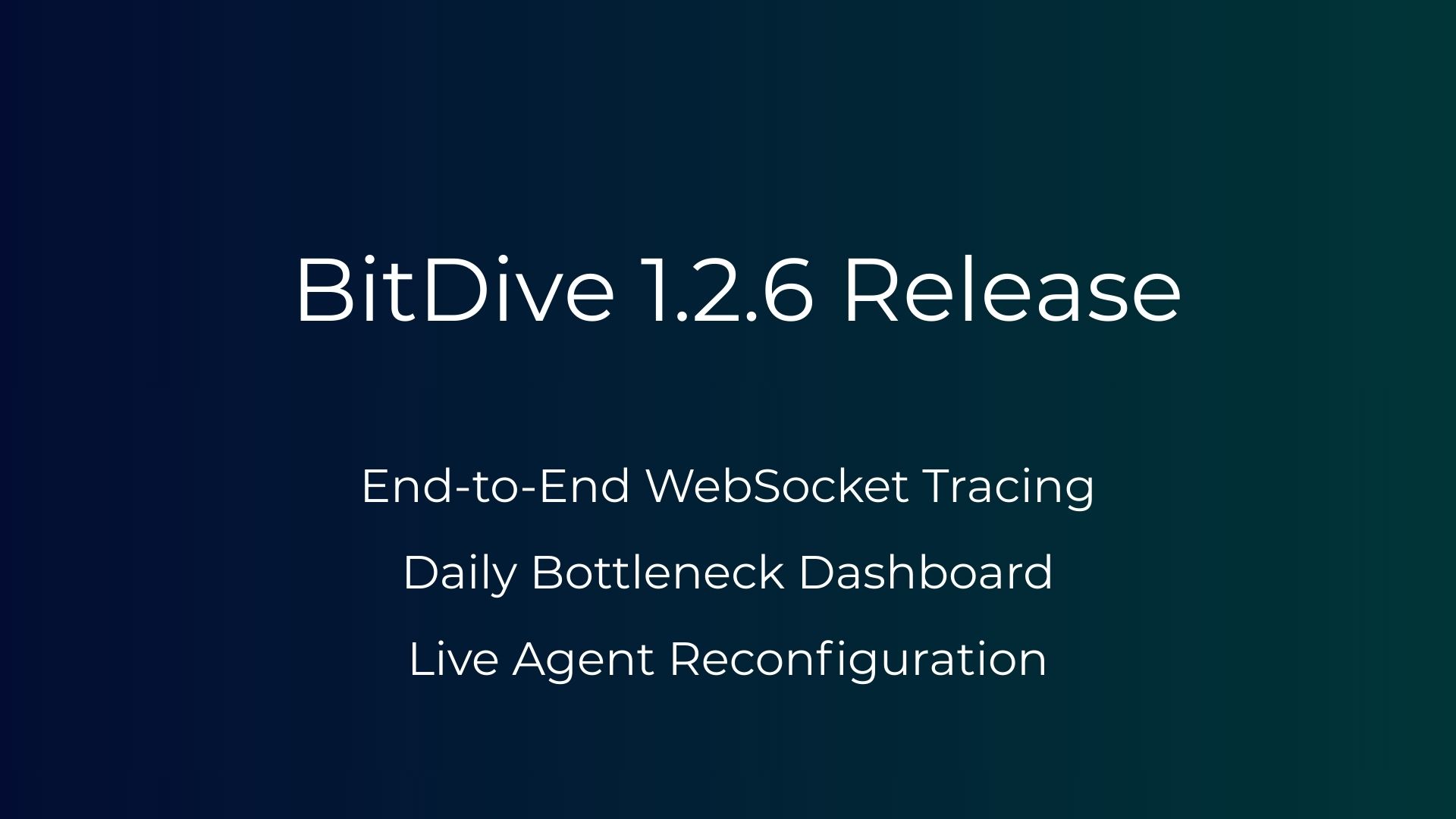
BitDive 1.2.6 Release

We're excited to announce the release of BitDive 1.2.6, bringing new capabilities that make runtime intelligence for JVM applications even more powerful and developer-friendly. This update expands protocol coverage, adds a new analytics view, and introduces flexible agent configuration - all designed to help teams move faster from problem detection to resolution.

BitDive Full Lifecycle Testing for JVM Applications

· 4 min read
Dmitry Turmyshev
Product Manager | Developer Experience and Software Quality

BitDive Full Lifecycle Testing for JVM Applications

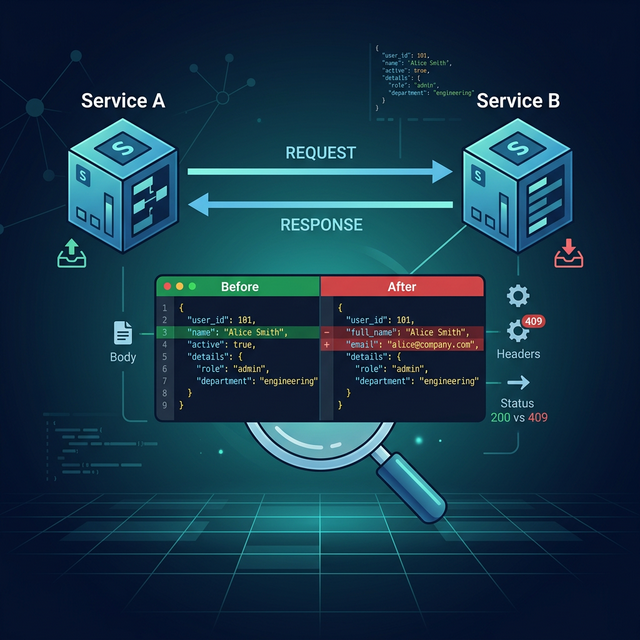
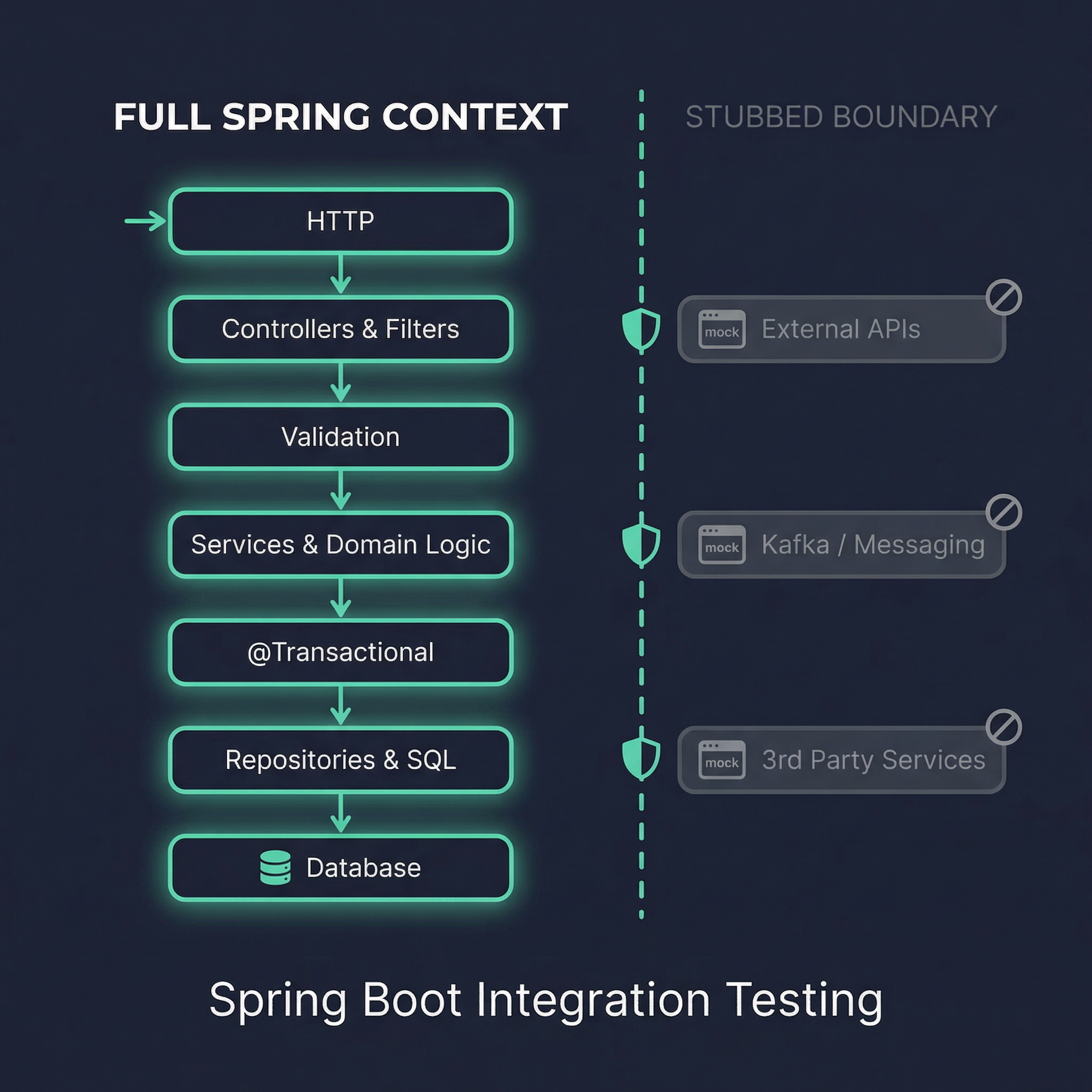
Testing for JVM applications-Java, Kotlin, Spring Boot-often struggles to keep up with distributed systems, asynchronous flows, and frequent code changes. Traditional methods rely on mocks and black‑box checks that don't reflect how the system really behaves. The result: flaky tests, missed bugs, and uncertainty before release.

BitDive provides a single platform for the entire testing lifecycle. It captures real execution data, curates meaningful scenarios, replays them across builds, and validates results where it matters most-at the level of API responses, database queries, and messaging flows.

JVM-first • Testcontainers-ready • Kafka/gRPC/JDBC support • CI/CD friendly • Flake-resistant

BitDive SaaS Is Live - Try It Free Today

· 3 min read
Dmitry Turmyshev
Product Manager | Developer Experience and Software Quality

BitDive SaaS Is Live

We're excited to announce the launch of BitDive SaaS - our fully hosted, cloud-based observability platform built for modern Java microservices. This launch marks a major milestone in making deep performance tracing and real-time insight available to everyone, instantly and effortlessly.

Now, instead of setting up infrastructure or maintaining backend components, developers can get started in just minutes. The BitDive agent connects your application to our platform, and you're immediately able to trace distributed requests, profile methods, visualize service dependencies, and capture runtime data - all in a single place.

BitDive MCP Server brings full runtime context to development

· 3 min read
Dmitry Turmyshev
Product Manager | Developer Experience and Software Quality

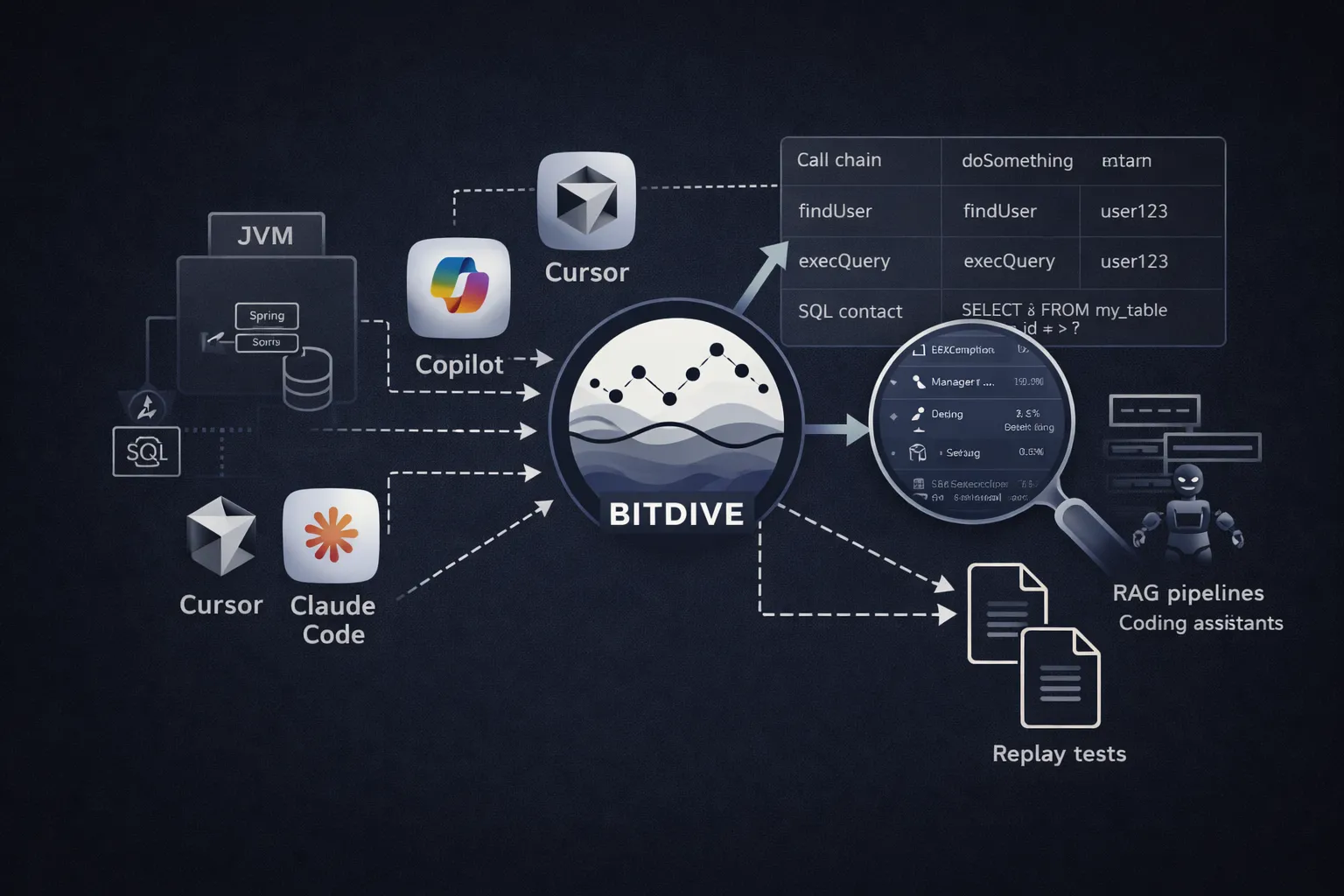
Yesterday, we announced the MCP Server (Model Context Protocol) integration for BitDive. This new capability allows you to access full runtime context for any method executed in production — including input parameters, return values, exceptions, SQL queries, and downstream calls. MCP turns observability into a daily development tool, not just a monitoring system.

eBPF vs BitDive - What to Use to Find Out What Slows Down Production

· 7 min read
Evgenii Frolikov
Senior Java Engineer | Expert in Scalable Enterprise Solutions

eBPF vs BitDive - Main Image

Why do we need production profiling at all?

Application performance isn't abstract. It's about real issues: errors, timeouts, lost users, and wasted money. But to understand what exactly is slow, it's not enough to know that "CPU is high." You need detail: which service, which method, which request, which parameters.

BitDive is Now on GoodFirms

· One min read
Dmitry Turmyshev
Product Manager | Developer Experience and Software Quality

We're excited to announce that BitDive is now featured on GoodFirms, a leading platform for software reviews and recommendations!

BitDive brings code-level observability, distributed tracing, and real-time profiling to modern Java applications, especially in Kubernetes environments.

Explore our profile to learn how BitDive can revolutionize your application monitoring with method-level insights and seamless integration.

Check out our profile at GoodFirms and leave us a review!