3 posts tagged with "Artificial Intelligence"

View All Tags

Automated Verification in the AI Era: Why Trace-Based Testing is the New Standard

· 6 min read
Dmitry Turmyshev
Product Manager | Developer Experience and Software Quality

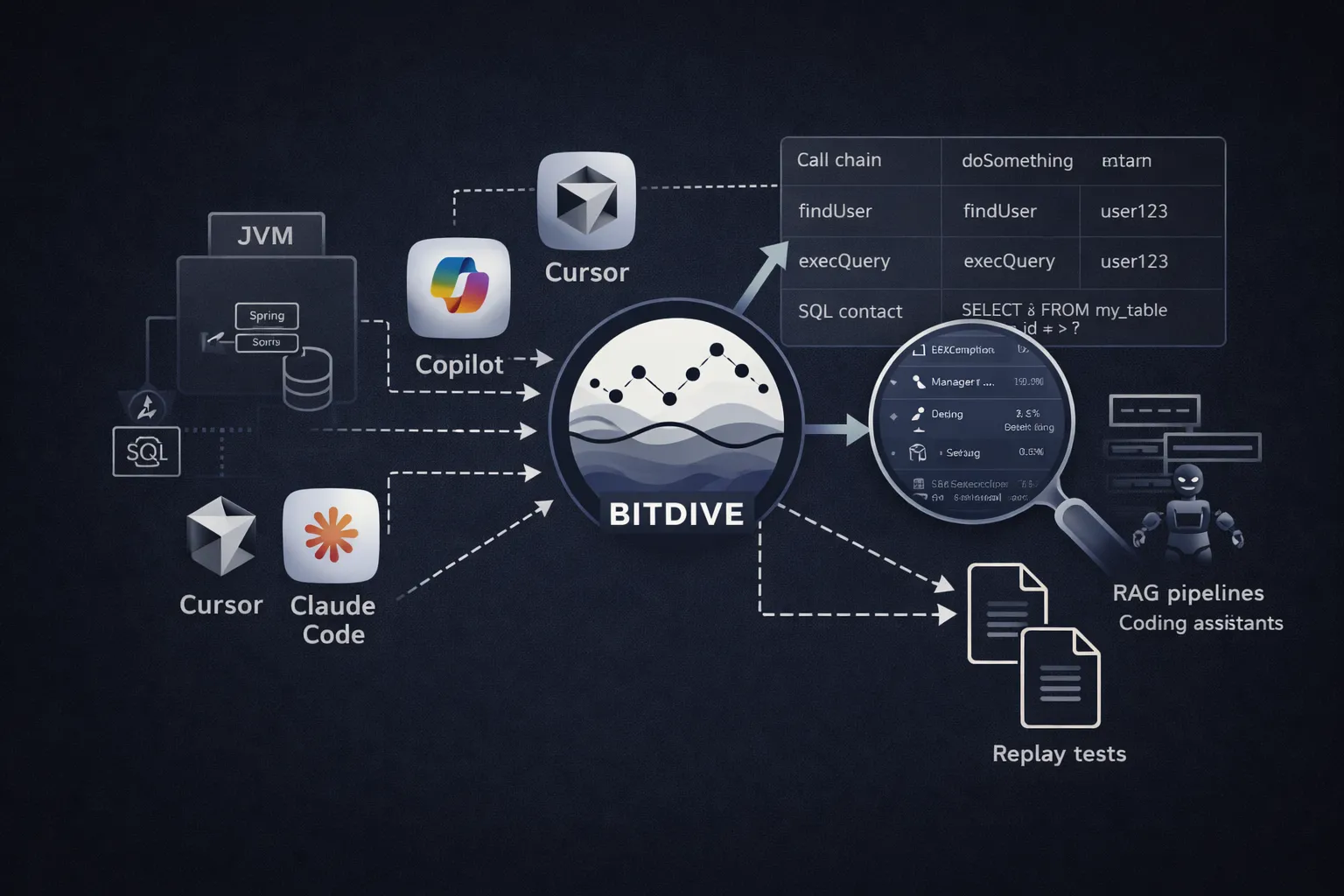
AI Runtime Intelligence - Visualizing the safety layer for AI-native Java development

TL;DR: As AI models like Claude, GPT-4, and Gemini write more of our code, the bottleneck has shifted from writing to verifying. Traditional mock-heavy tests are too fragile for AI-native workflows. BitDive provides the Real Runtime Data needed to turn actual execution states into deterministic JUnit tests, enabling a safe and autonomous development loop.

The Verification Gap in AI-Native Development

In 2026, the industry has reached a tipping point. AI assistants can now create 1,000 lines of functional code in seconds. However, verifying that this code doesn't break subtle production invariants remains a manual, slow process.

We call this the Verification Gap.
QA in AI Assisted Development: Safety through Deterministic Verification

· 15 min read
Dmitry Turmyshev
Product Manager | Developer Experience and Software Quality

To solve the Verification Crisis, teams must move from manual mocking to Runtime Context Sharing. By integrating BitDive via Model Context Protocol (MCP), AI agents gain access to real execution traces, allowing them to propose surgical fixes and self-verify their work against Real Runtime Data. This is more than just automation; it is the Deterministic Verification Layer required for the AI-native developer.


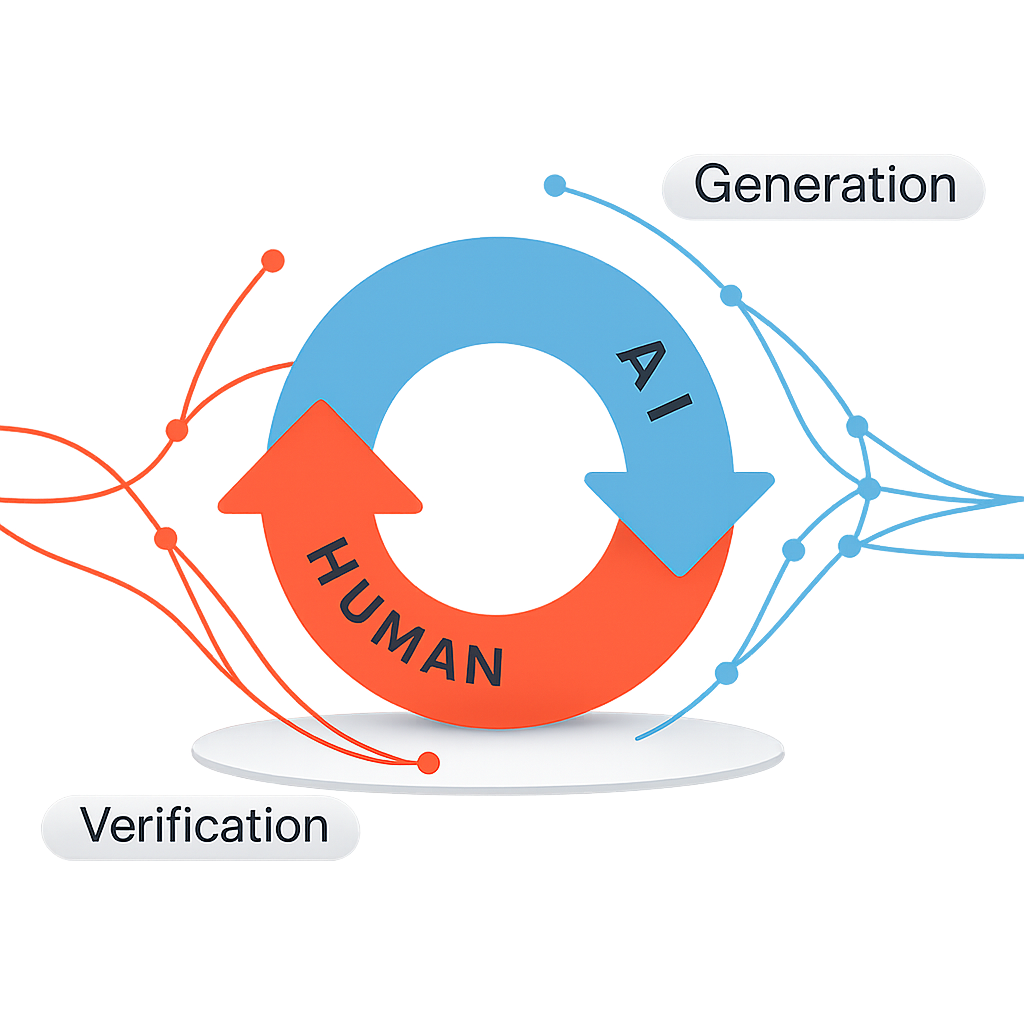
"We're now cooperating with AIs and usually they are doing the creation and we as humans are doing the verification. It is in our interest to make this loop go as fast as possible. So, we're getting a lot of work done."

. Andrej Karpathy: Software Is Changing (Again)

AI Assisted Verification Loop - Diagram showing the cycle of AI code creation and deterministic human verification

This quote describes a shift that is already visible in many teams. Code creation has accelerated. Verification and validation increasingly become the bottleneck.

With AI tools, writing code is often not the limiting factor anymore. The hard part is proving that what was generated is correct, safe, and maintainable.

eBPF vs. BitDive: Why AI Agents Need Runtime Context, Not Just Kernel Syscalls

· 8 min read
Evgenii Frolikov
Senior Java Architect | Expert in High-Load Systems & JVM Internals

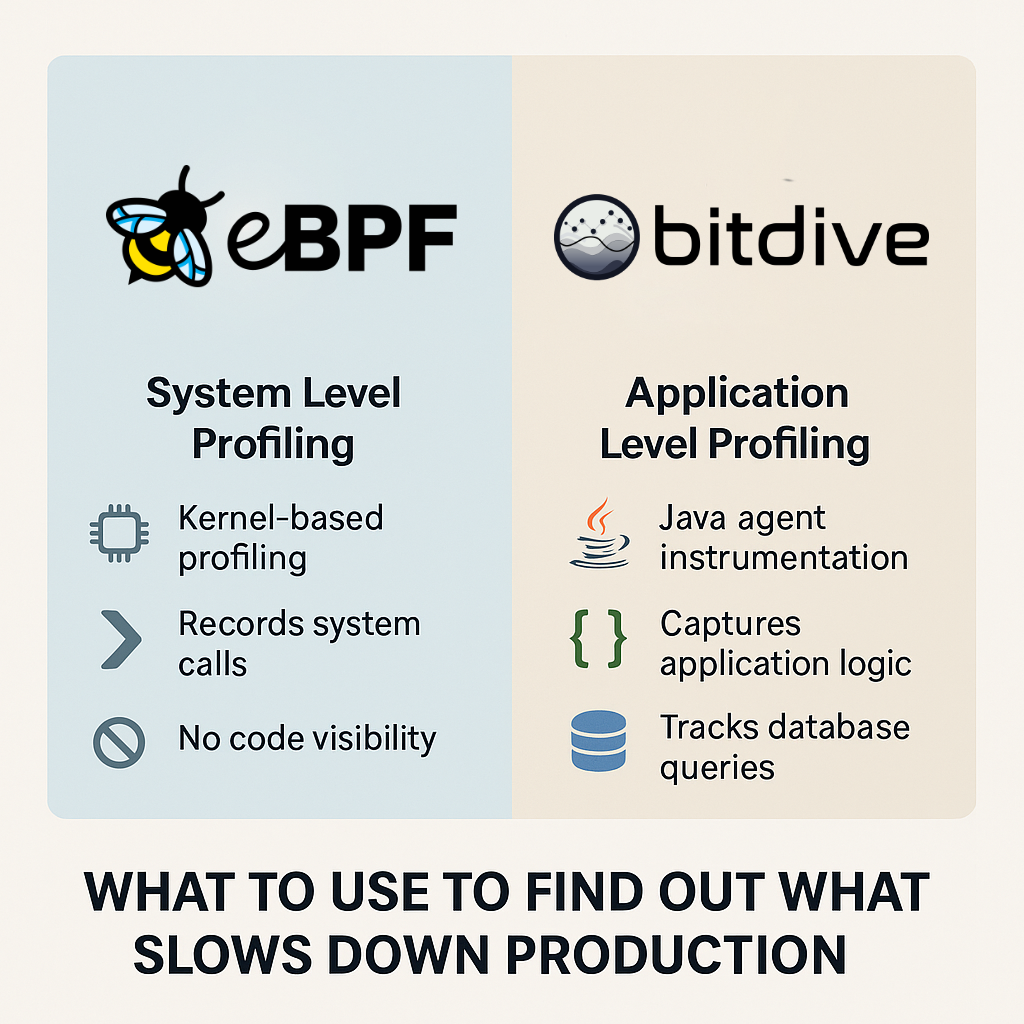
TL;DR: eBPF is great for monitoring kernels, but it’s blind to business logic. For AI agents to effectively fix code, they need Real Runtime Data context: classes, methods, and parameters. BitDive delivers the exact Runtime Context that AI models (and humans) need to solve real application problems.


eBPF vs BitDive - Main Image

eBPF vs BitDive: Why AI Agents Need Runtime Context

Why do we need production profiling at all?

Application performance isn't abstract. It's about real issues: errors, timeouts, lost users, and wasted money. But to understand what exactly is slow, it's not enough to know that "CPU is high." You need detail: which service, which method, which request, which parameters — the kind of code-level observability that only application-level instrumentation can provide.